

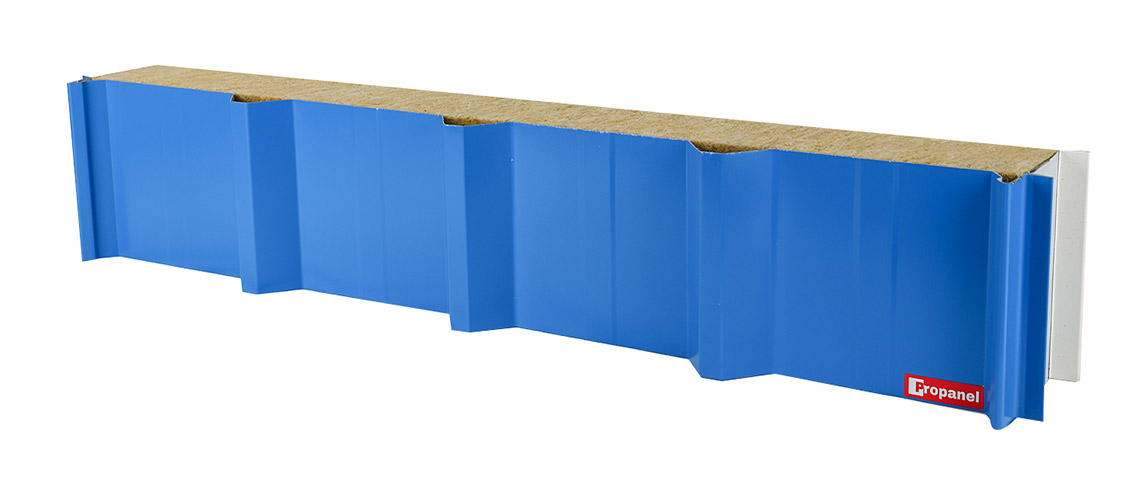
Sandwich panels are unique items for international shipping: they are bulky, their surfaces are prone to scratching, their interlocking joints are susceptible to impact damage, and their core materials are sensitive to moisture. Proper packaging, container loading, documentation, and transport planning are essential to prevent issues such as deformation or damage.
First, ensure robust packaging and protection. Wrap the panels entirely in waterproof PE film, and use rigid cardboard corner protectors for the panel ends and interlocking joints to prevent damage during lifting and handling. Apply protective film to the panel surfaces during production to avoid scratching the paint. For routes through high-humidity coastal regions, include desiccant to prevent the steel sheets from rusting. Strictly control stacking height—do not place heavy objects on top—to avoid bending or deformation.
Second, plan the container loading carefully. As sandwich panels are typically long, they are usually shipped in 20GP or 40HQ containers. Verify the panel lengths before loading to ensure they fit. Lay the panels flat with foam padding underneath to distribute weight evenly. If using solid wood pallets, ensure they are fumigated to meet the quarantine requirements of the destination country. Leave gaps between the panels rather than forcing them into place; secure them firmly to prevent shifting or misalignment of the joints due to movement during ocean transit.
Third, confirm all documentation and compliance paperwork in advance. Essential documents include the packing list, commercial invoice, and bill of lading. Depending on the destination country’s requirements, prepare fire-resistance reports, material certificates, and certificates of origin. Some countries mandate commercial inspections or fumigation certificates, while markets like Australia have strict quarantine requirements for wood products. Missing documentation can lead to customs clearance delays, port congestion, and high storage fees.
Furthermore, carefully manage transport terms and potential risk points. Clarify responsibilities between the buyer and seller based on the agreed Incoterms (e.g., FOB, CIF, or FCA). For routes through the Red Sea or long-haul voyages, be mindful of potential shipping delays or space shortages. Purchase cargo insurance to cover risks such as physical damage, water exposure, or impact-related losses.
Finally, pay close attention to the loading, unloading, and final-mile delivery processes. Instruct the freight forwarder and terminal operators to handle the cargo with care—lifting and placing it gently—and ensure that wire ropes do not come into direct contact with the panel surfaces. Upon arrival, unpack and inspect the shipment immediately; if any damage is found, take photographs as evidence and initiate the claims process.
For the international transport of sandwich panels, the key priorities are: protection against moisture, scratches, crushing, and bending; ensuring all documentation is complete; and maintaining secure, stable stowage. By strictly managing the critical stages of packaging, container loading, and customs clearance, you can significantly reduce the risk of cargo damage and ensure the successful delivery of overseas projects.

Derechos de autor
@ 2026 CHENGDU PROPANEL TECH CO., LTD. Reservados todos los derechos
.  RED SOPORTADA
Hi! Click one of our members below to chat on