
When asked about the single best way to cut cold room energy bills, the answer always comes down to one critical component: the panels. If you walk into a freezer and the compressors never shut off, nine times out of ten, the panels are the weak link. Fix your thermal envelope, and you will see immediate, drastic reductions on your monthly utility statements.
The Right Core: Maximizing Thermal Efficiency It starts with the core material. Polyurethane (PU) and Polyisocyanurate (PIR) foams deliver exceptional thermal conductivity ratings between 0.018 and 0.024 W/m·K—roughly 30 to 40 percent more efficient than standard EPS or mineral wool. A 100mm PIR panel insulates just as effectively as 150mm of cheaper alternatives. This means thinner walls, expanded storage capacity, and refrigeration systems that don’t have to run overtime. For a large frozen warehouse, upgrading to PIR can slash energy consumption by 20 to 30 percent.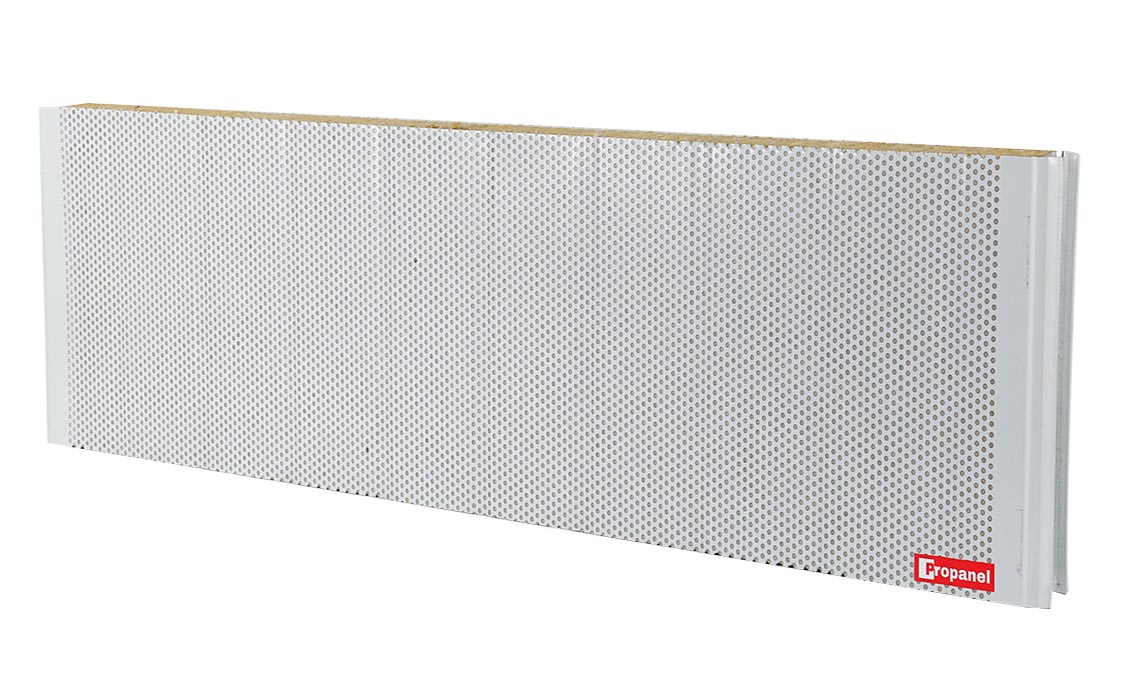
Matching Thickness to Operating Temperature Thickness is just as critical as the material itself. A +5°C chiller operates perfectly with 75–100mm of PU. A -18°C commercial freezer demands 150mm of PIR, while deep-freeze environments dropping below -30°C require 200mm. Attempting to cut initial capital costs by utilizing thinner panels is a guaranteed losing strategy. You will inevitably pay that money back through inflated electricity bills, dangerously frequent defrost cycles, and accelerated equipment wear.
Eradicating Air Leaks and Moisture Air leaks are the silent killers of energy efficiency, allowing cold air to rapidly escape through microscopic gaps. High-performance panels utilize tight, precision-milled tongue-and-groove edges, sealed during installation with a continuous bead of sub-zero flexible sealant to create an absolutely airtight barrier. Furthermore, moisture is the enemy of insulation. Because PU and PIR feature a rigid closed-cell structure, they refuse to absorb water, successfully maintaining their original R-value for decades.
Protecting the Steel Skins Never ignore the exterior steel. Rust spots quickly develop into thermal bridges, allowing heat to bypass the insulation entirely. A rusty panel can lose up to 20 percent of its insulating power. Utilizing Z150 or Z275 galvanized coatings paired with a premium paint finish ensures long-term resistance to heavy washdowns and high humidity.

Derechos de autor
@ 2026 CHENGDU PROPANEL TECH CO., LTD. Reservados todos los derechos
.  RED SOPORTADA
Hi! Click one of our members below to chat on