

Cold storage panel are typically composed of double-layer galvanized steel sheets and a layer of polyurethane (PU or PIR) insulation core material. Their thermal conductivity is only 0.024–0.041 W/m·K, providing excellent insulation performance. Common panel thicknesses include 50mm, 75mm, 100mm, 150mm, and 200mm. Thicker panels offer better insulation, lower refrigeration unit load, and more stable internal temperature.
The thickness of the cold storage panel directly determines the energy consumption, temperature control stability, and overall lifespan of the cold storage facility. Improper thickness selection can easily lead to temperature fluctuations, frost formation on the walls, increased power consumption, and panel deformation and damage. Storage temperature is the sole core factor in selecting panel thickness.
1. Fresh-keeping cold storage (+2℃ ~ +10℃) | 50–75mm is preferred.
This temperature range is often used for preserving fruits and vegetables, fresh produce, dairy products, and in temperature-controlled food processing workshops. The temperature difference between the inside and outside is small, and the operating conditions are relatively simple. 50–75mm thick insulated cold storage panel fully meet the requirements, effectively blocking outdoor heat penetration and maintaining a stable internal temperature environment. This thickness offers high cost-effectiveness, balancing construction costs and long-term energy consumption, making it the optimal choice for above-zero cold storage.
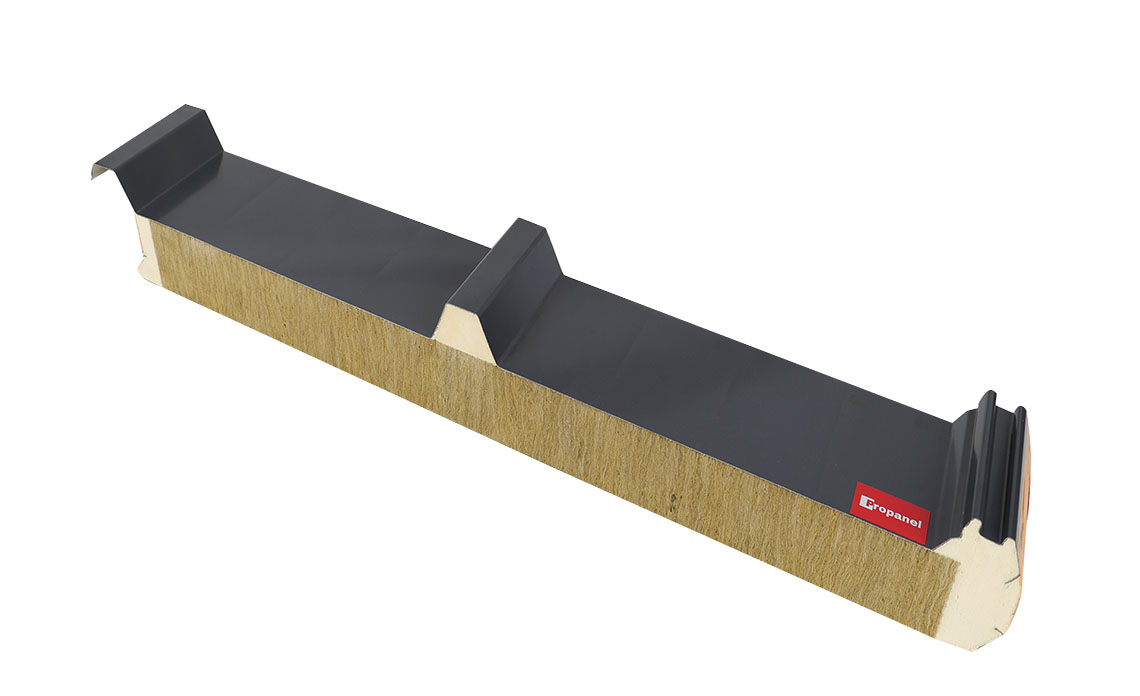
2. Low-Temperature Cold Storage (-5℃ ~ 0℃) | 80–100mm is preferred
This is primarily used for the low-temperature storage of cooked food, semi-finished meat products, and beverages. This temperature range already possesses low-temperature properties; using thin 50mm panels would result in insufficient insulation, leading to heat penetration, condensation on the panels, and dampness on the inner walls, damaging the storage environment.
80–100mm thick cold storage panel is the standard configuration for this scenario, significantly reducing hot and cold air exchange, eliminating condensation and frost problems, ensuring long-term stable operation of the cold storage, and effectively reducing energy consumption.
3. Conventional Cold Storage (-10℃ ~ -25℃) | 100–150mm is preferred
This temperature range is commonly used in commercial frozen goods, seafood, and meat cold storage warehouses, and is also the most frequently used freezing condition in cold chain engineering.
The industry prioritizes 100–150mm thick insulation panels. The high-density, thickened core material effectively locks in the low temperature, prevents cold air leakage, and reduces the frequency of refrigeration equipment start-ups and shutdowns.
4. Ultra-Low Temperature Quick-Freezing Storage (-30℃ ~ -55℃) | 150–200mm is preferred
Quick-freezing workshops, deep-sea food storage, and medical low-temperature storage scenarios experience extreme temperature differences, requiring stringent insulation performance. Ordinary thickness panels are unsuitable.
150–200mm thick high-density cold storage panels are a mandatory standard for these projects. They can withstand extreme temperature shocks, preventing frost penetration, panel deformation, and temperature imbalances, protecting high-value goods. Although the initial investment is slightly higher, it ensures long-term stable operation of the cold storage and is a reliable solution for ultra-low temperature projects.
In conclusion, the appropriate thickness of the cold storage panel depends on the storage temperature of the cold storage facility. Selecting PU/PIR cold storage panel of different thicknesses based on varying temperature requirements can mitigate construction risks, reduce energy waste, and result in a cost-effective, stable, and durable high-quality cold storage unit.

Derechos de autor
@ 2026 CHENGDU PROPANEL TECH CO., LTD. Reservados todos los derechos
.  RED SOPORTADA
Hi! Click one of our members below to chat on